
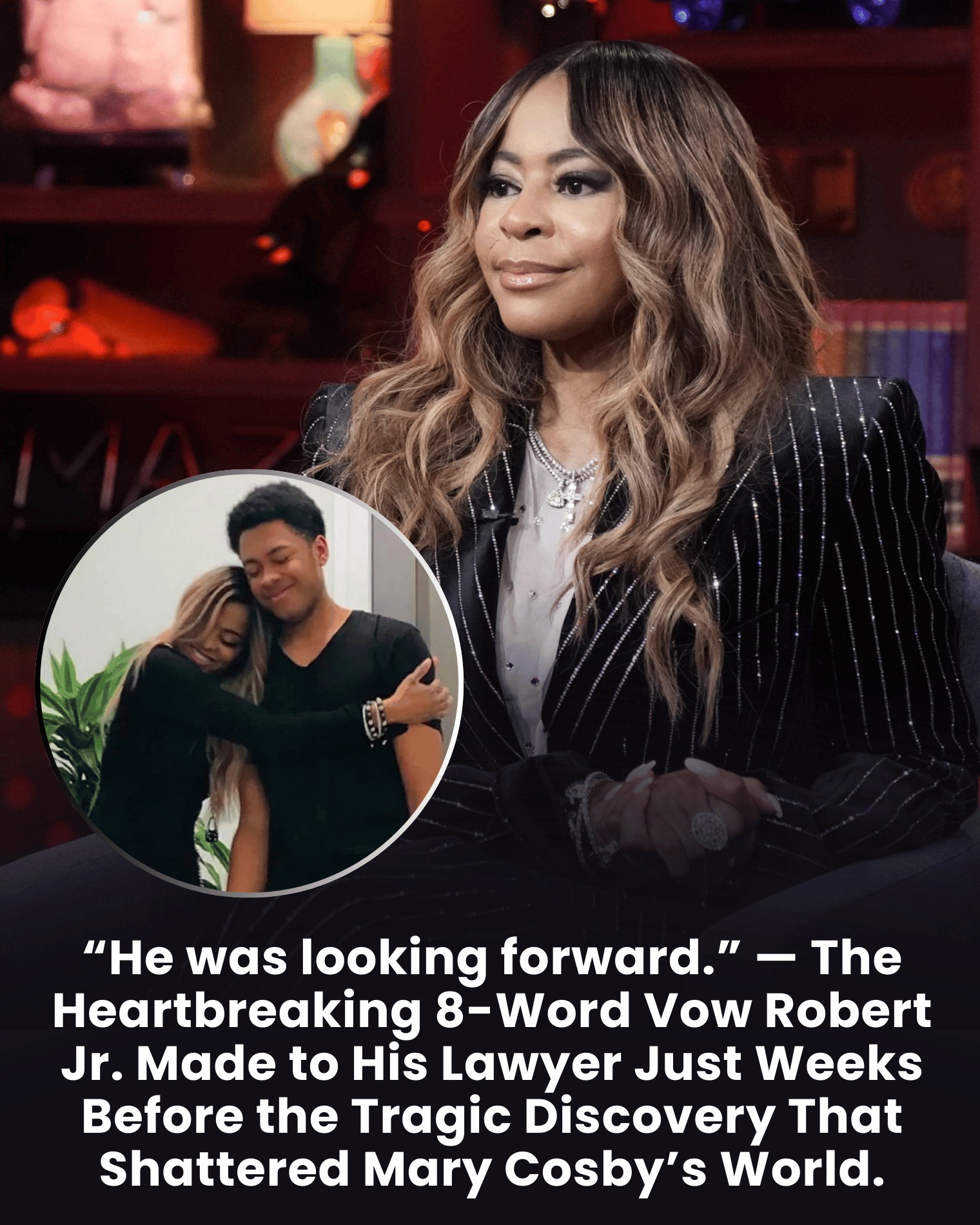
In the weeks before tragedy struck, those closest to Mary Cosby's family believed they were witnessing the beginning of a new chapter.
Robert Cosby Jr., who had recently completed a two-month sentence at Salt Lake County Metro Jail, met with his attorney, Clayton Simms, carrying what Simms later described as a noticeably different energy. The restlessness that once defined him had softened. In its place was something more fragile — and more hopeful.
"He was looking forward."
During that meeting, Robert reportedly made an eight-word vow that resonated deeply with his lawyer: he was ready to "do positive things and start over." It wasn't a dramatic declaration. It was steady. Grounded. According to Simms, the time in custody had provided something Robert hadn't experienced in years — clarity.
Behind bars, removed from outside influences and daily chaos, he had sobered up. The physical separation from old habits allowed what Simms called the mental "fog" to lift. For the first time in a long while, Robert was speaking not in fragments of regret, but in plans.
He had begun confronting realities he once avoided. Chief among them was accepting the end of his marriage — a painful but necessary acknowledgment. Rather than spiraling in denial, he was preparing to rebuild. He talked about creating structure. About stability. About distancing himself from the patterns that had shadowed his youth.
For those around him, it felt like a turning point.
Recovery journeys are rarely linear. There are setbacks, pauses, and hard truths along the way. But the shift in Robert's tone was enough to convince some that he had finally reached a crossroads where forward motion felt possible.
That is why the news on February 23rd — reports of a possible overdose — landed with such devastating force.
Hope can be delicate. When someone expresses renewed purpose after a period of struggle, it becomes something others hold onto tightly. Simms has suggested that Robert wasn't speaking abstractly; he had concrete intentions. He wanted to repair relationships. He wanted to regain trust. He wanted to build a healthier routine.
For Mary Cosby, the emotional weight of that hope now carries an added layer of heartbreak. It is one thing to mourn a life overshadowed by turmoil. It is another to grieve someone who appeared to be stepping toward light.
Addiction's complexity lies partly in this unpredictability. Moments of clarity and determination can coexist with vulnerability. A person can genuinely want change and still face overwhelming internal battles.
Simms has reflected that Robert seemed aware of his past mistakes without being consumed by them. That balance — accountability paired with optimism — made his vow feel credible. He wasn't denying the past. He was trying to outgrow it.
The tragedy leaves behind unanswered questions and a heavy silence. Those who believed he had turned a corner are now left reconciling that optimism with loss.
In the end, what remains most piercing is not just the promise he made, but the direction he was facing. He was not looking backward. He was looking forward — toward stability, toward healing, toward a future that, for a brief moment, felt within reach.